
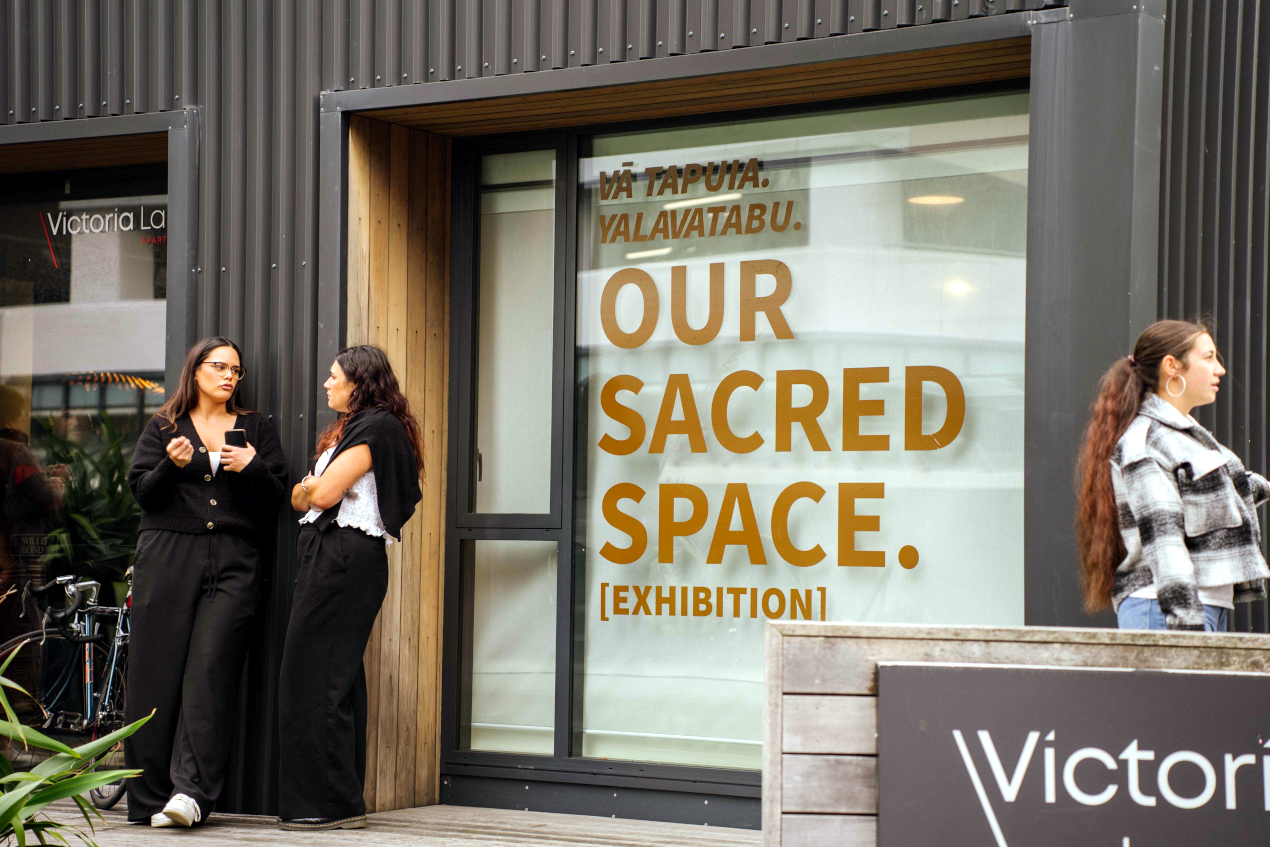
Vā Tapuia. Yalavatabu.
By Kaline Masitabua & Sarah McLeaod-Venu
Location: 149 Victoria St, Te Aro, Te Whanganui-a-Tara
Property partner: Willis Bond
Dates: Tuesday December 16th - Monday December 22nd
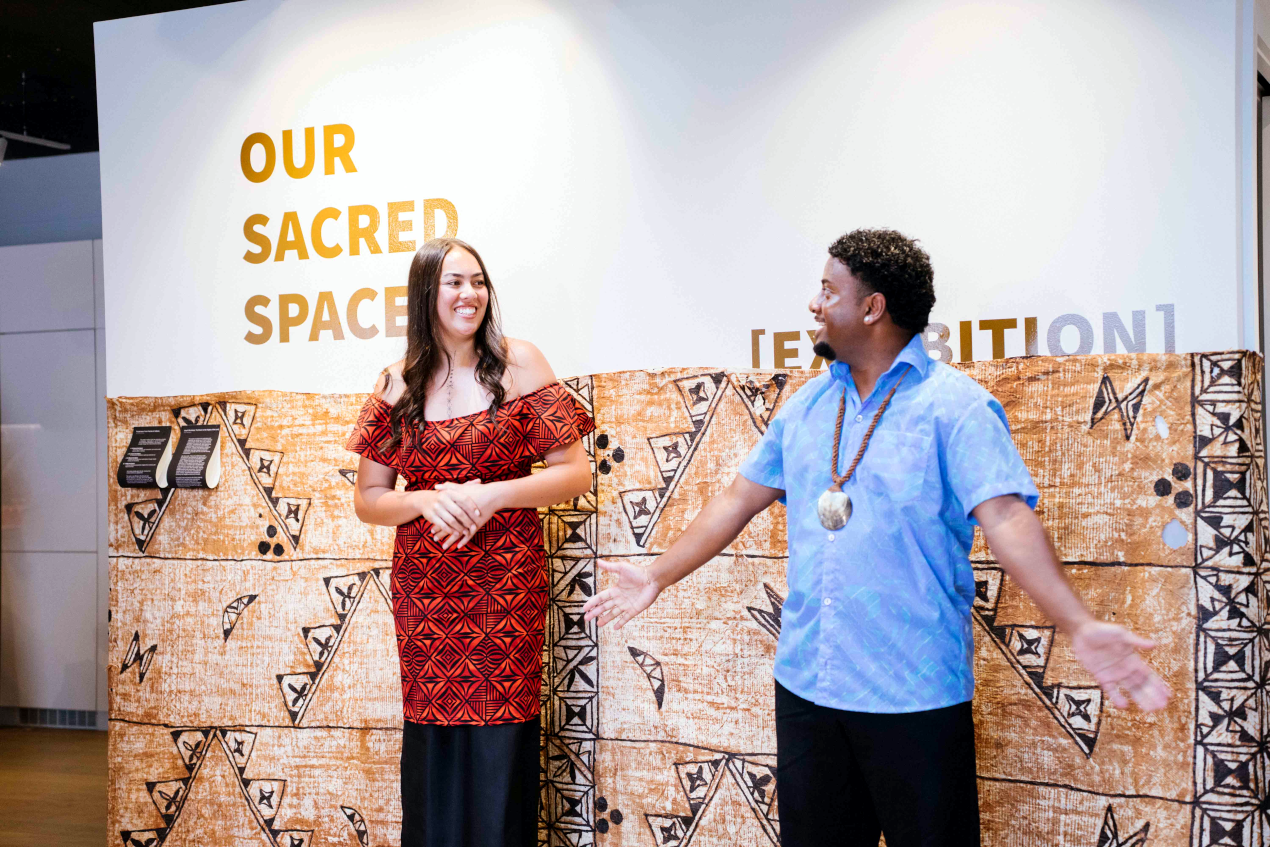
Join us for this beautiful end of year architectural exhibition celebrating culture, research and Pasifika identity. The artists will draw on their diverse skills and creative practices to explore Pasifika identity within contemporary architectural practice, the exhibition brings together a selection of works that reflect this kaupapa.
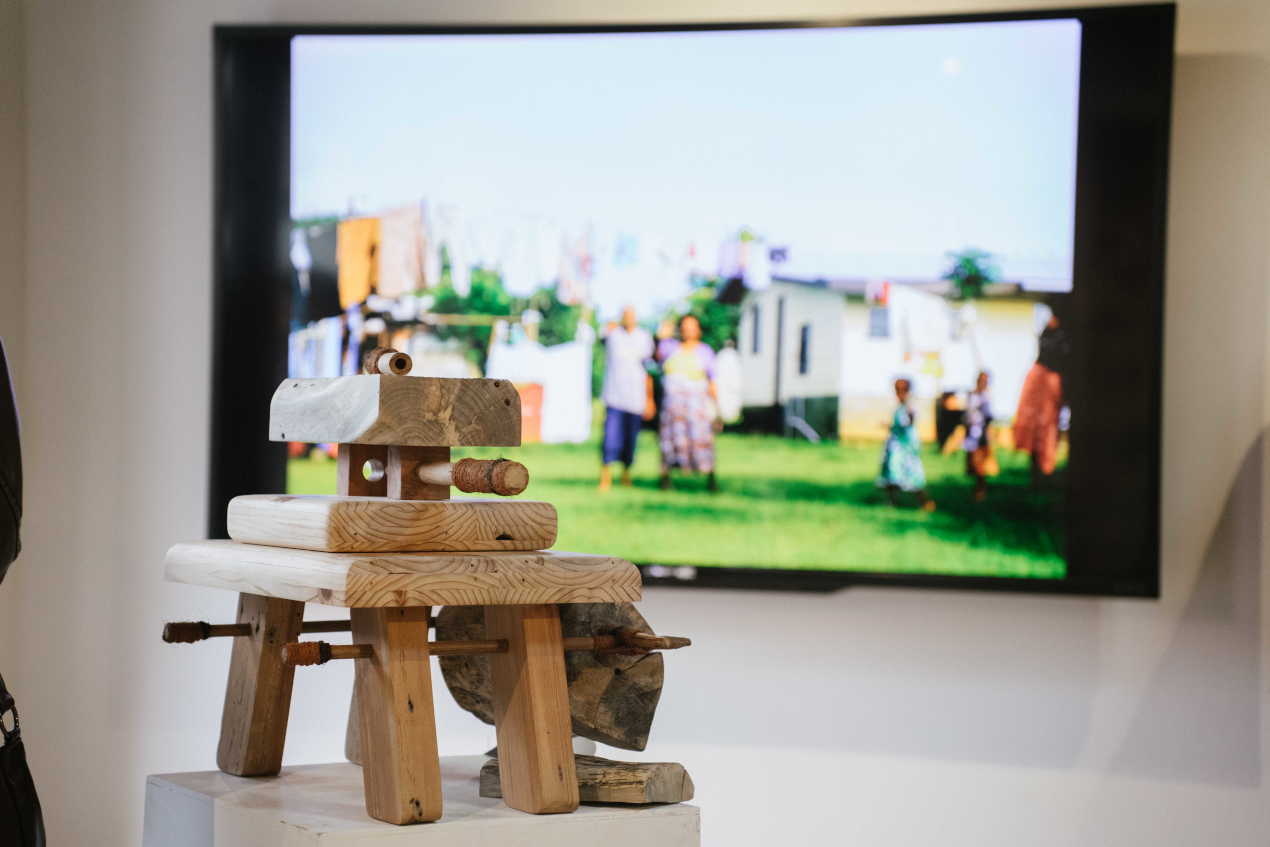
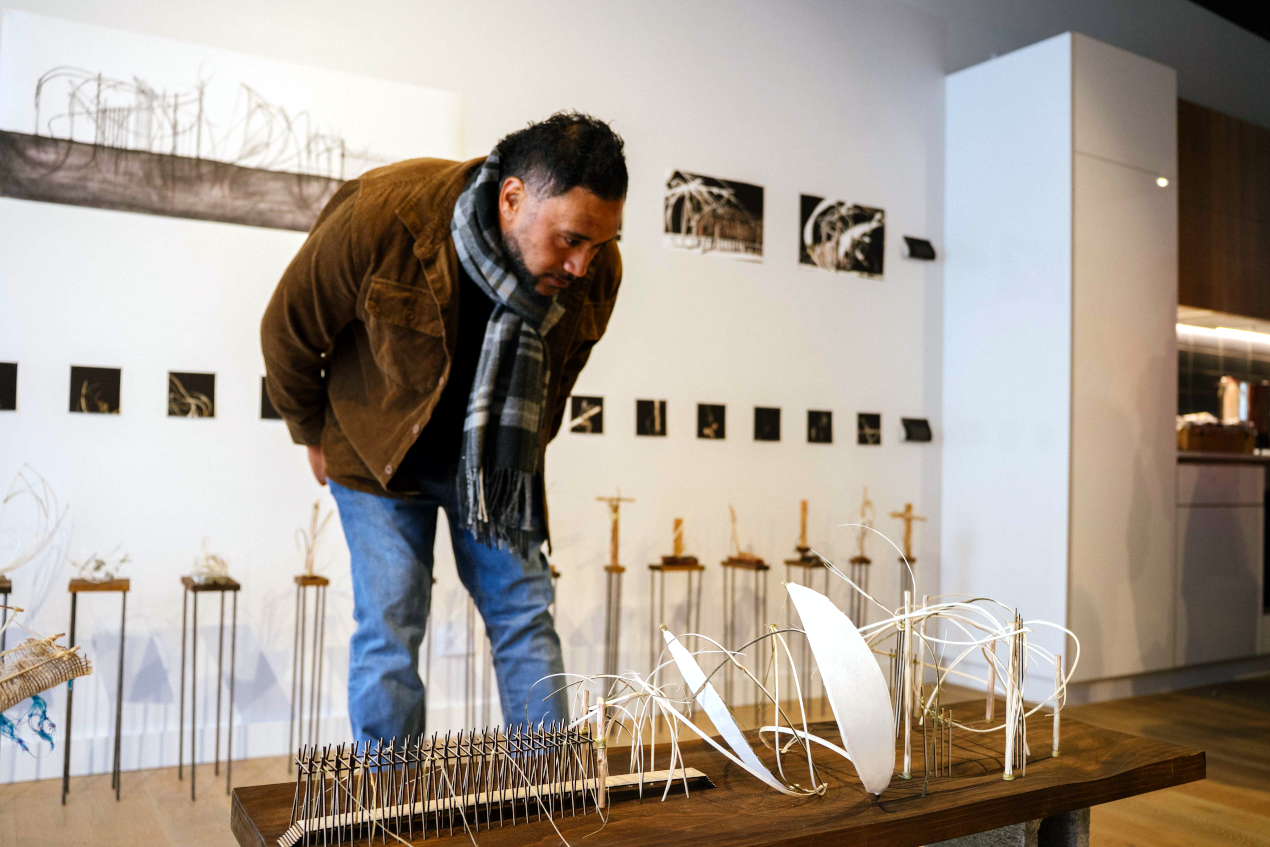
The artists will present sketches and drawings across a range of scales and paper types, including pieces created on masi/siapo (tapa or bark cloth), alongside small- to medium-scale physical models. The exhibition also includes video footage and photographs gathered during individual research trips, material that has deepened each of their thesis investigations. Together these works demonstrate how their explorations intersect to inform architectural forms that speak to our communities and open space for meaningful dialogue.
Artists statements
Sarah McLeaod-Venu - Talofa lava, o lo’u igoa o Sarah McLeod-Venu and I am currently completing my Master of Architecture (Professional) at Te Herenga Waka - Victoria University. I am afakasi, of Samoan and Scottish descent. I hail to the villages of Tanugamanono and Lelepa in Samoa, while I was born and raised in Wainuiomata, Lower Hutt.
While I have always carried immense pride in my Samoan heritage, my connection to language and custom was limited growing up. In my recent years, I have been on a journey of reconnection. One that has brought me closer to my culture, language, and sense of belonging than ever before. This personal reconnection has become the main driver for my thesis research.
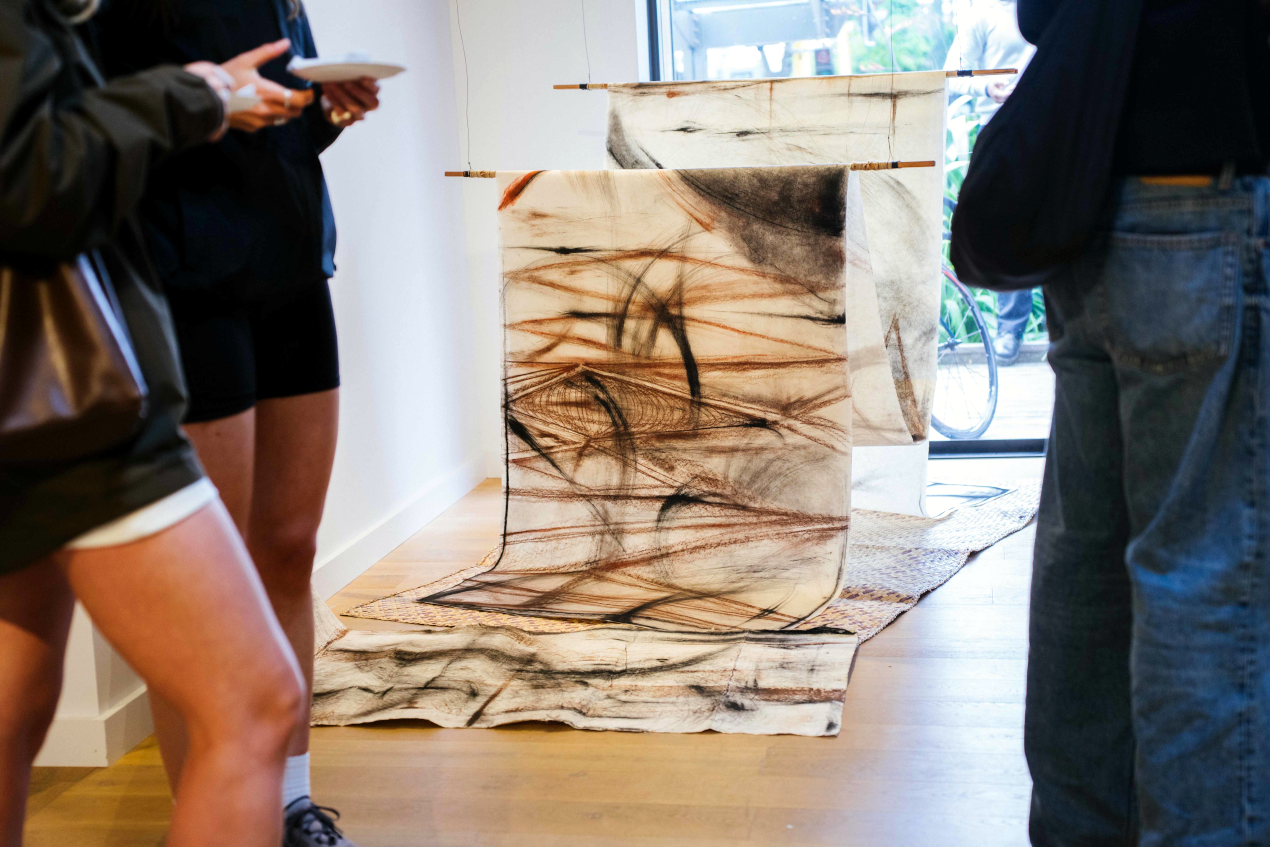
My thesis research named “Fa‘a‘ato‘atoa: From Fractals to Fullness”, explores how fa‘asamoa (the Samoan way of being) along with Samoan knowledge, ceremony and identity can shape contemporary architecture in Aotearoa. The project responds to the lived reality of the Samoan diaspora, where cultural connection is deeply felt yet often distant in everyday environments. The design draws from the concept of vā, a Samoan understanding of relational space. Instead of viewing space as empty, vā sees it as the living field that binds people, ancestors, land and time.
This project asks how architecture might give form to that relational world so it can be experienced, honoured and shared. The final design is a diasporic threshold: an architectural landscape that carries its own memory rather than belonging to one fixed site. The terrain is shaped from drawings and observations of the ‘ava ceremony in Samoa and the faiga si‘i ceremony within the diaspora. These rituals of giving, receiving and respect establish the spatial logic of the place. Ultimately, the project seeks to expand ideas of Samoan and Pasifika architecture, offering a space where identity, memory and belonging can be felt. A movement from fractals to fullness.
Kaline Masitabua - Mutu bula vinaka, na yacaqu o Kaline Masitabua and I am currently completing my Master of Architecture (Professional) at Te Herenga Waka - Victoria University of Wellington. I am iTaukei (Native Fijian) descent - hailing from the villages of Solovola, Ravitaki, Kadavu & Totoya, Ketei, Lau. I was born in Fiji and raised predominantly in Whangārei, Aotearoa, where much of my formative years were shaped within a Western educational framework.
While my cultural heritage has always been present in my life, my connection to it was often navigated unconsciously growing up. I participated in traditional meke and remained involved within the Northland Fijian community, yet I often felt the need to suppress aspects of my identity in order to succeed within Western systems. It is only now, through research by design, that I have begun to fully understand these expressions of identity and their deeper significance.
This personal journey of reconnection has become the foundation of my thesis research. Research titled “Lesu ki na Vanua” - ‘Return to the Origins of the Land’ - The research explores the intangible dimensions of veiqaraqaravi vaka vanua, focusing specifically on the yaqona vakaturaga, the chiefly kava ceremony. It investigates how the spatial, sensory, and performative qualities of this ceremony might be translated into tangible architectural instruments within contemporary practice.
The project does not seek to alter or diminish the cultural richness and importance of these enduring traditions. Instead, it questions how modern architectural interventions can respectfully engage with and reinterpret the essence of ceremony, allowing space for dialogue, remembrance, and reconnection. Ultimately, this research responds to the lived realities of the Fijian diaspora, where cultural identity is deeply felt yet often distant in everyday environments. The project seeks to create an architectural expression that reconnects people to the vanua, the land, the origin, and the foundation of identity.